Submitted by Elise LaFramboise on the 2020 winter session study abroad program in Panama sponsored by the Department of Languages, Literatures & Cultures…
I have officially spent three weeks in Panama! I have been having such a fun time and I don’t want to go back to the United States. This weekend, for the first time, we traveled to somewhere relatively far away and stayed there for a night! It was an amazing experience. We went to Valle de Anton, which is a mountainous region in Panama. It was interesting to see the pace of life there compared to Panama City. Life is a lot slower paced in Valle, a more rural area, which I liked a lot. Everyone seems a lot more relaxed, and the town itself is very tranquil. It was a big change between the city and Valle de Anton, but I liked the change so much that I am thinking of going back to Valle de Anton next weekend. It was beautiful there! I have also enjoyed Panama so much that I am actually thinking about going to grad school here. They have grad schools for what I want to do (Occupational Therapy), so this is something that I am considering since I love the country! This week has been amazing and I am sad that my study abroad program is going to end in less than two weeks.
Submitted by Allison Oberembt on the 2020 winter session study abroad program in Paris, France sponsored by the Department of Fashion and Apparel Studies…
The third week of winter session is ending and this has been my favorite week so far. I was one of the six girls selected to be given the Elie Saab couture internship. Elie Saab is a haute couture designer from Lebanon who was doing a show for the women’s couture fashion week. My internship lasted five days and ended the day of the show after everything was cleaned up and put away.
The first day at the Elie Saab internship, we had to make surethe correct number of all of eh accessories and shoes were there. We laid out and organized the shoes by size and style. We also bagged the jewelry up by different styles. The following days leading up to Elie Saab consisted of doing castings for the models. We had models coming and going all day long for three days just trying on dresses to see if the fit and look was right. The last day before the fashion show we did the final fitting when every model came in to make sure the dress fit correctly and if it did not, they were sent upstairs to be tailored. The tailors worked on almost 50 dresses for the entire day. I was more worried that the dresses would not be done in time, until I was told every year the day before the fashion show, the tailors stay in the shop all night long and do not sleep. They are fixing dresses even up until the time we are in the venue. This has caused me to have a new level of respect for the couture workers and how the dresses were made. I never knew the hard work and precision it took to create these looks and put on a fashion show with 59 different looks.
After being involved with men’s fashion week and the couture fashion week ,I have grown to have more appreciation for the diversity of fashion. I have a better understanding of the hard work it takes to just put on a fashion show, aside from making the garments. I also have realized how long it actually takes to produce the couture dresses. With this new found information it makes me realize why the prices are so high and why people value couture garments as much as they do. This experience surpassed anything I could have imagined since I have never been introduced to couture until now. With this knowledge and experience as an intern, it will open doors for me in the future if I continue to pursue a career in fashion.
After working for most of the week, I am excited to have my first free weekend with my roommates and travel around Europe. We are planning to go to two countries, but nothing is booked yet.
Picture of all the interns from UD, and one intern from another school Alia Hamouie (she gave the okay for picture to be sent) standing with Elie Saab after the fashion showPicture I took after the fashion show ended and we put the new collection on display inside the Elie Saab boutique
Submitted by Jacob Leinenbach on the 2020 spring semester study abroad program in Rome, Italy…
Here at John Cabot University, many students have the opportunity to take an “on-site” class, taught at various locations throughout Rome. These classes can be about Ancient Rome, Roman Monuments, and Roman Art History, just to name a few. However, I decided to take a class on Modern Roman Neighborhoods. This class offers a different perspective on the city, looking at the modern development of the city since 1870. I have only had one day of the class so far, but I already love it and know that it is the right class for me.
At some point, everybody learns about the Ancient Romans, but very rarely do we look at how the ancient city has become the modern metropolis of Rome today. One thing that struck me is that the population of Rome remained relatively small from the fall of the Empire in 476 AD until right after World War II, when people flooded into the city to live and work. Today, Rome faces unique challenges in upgrading its infrastructure while preserving the ancient artifacts found throughout the city. I am very excited to study the city in action for the rest of this semester!
This is the Victor Emmanuel II Monument. Built by King Victor Emmanuel II of Italy, this monument celebrates the Unification of the Italian Kingdom and the birth of modern Rome in 1870.
Submitted by Kristina Newton on the 2020 winter session program in Luxembourg sponsored by the Department of Materials Science, the Department of Physics and the Department of History…
The previous week went very fast considering that we had a history exam, our second materials science exam, a tour of the Court of Justice of the EU and a very early train ride Friday morning to go to Germany. One of my favorite parts of this week was going on a brewery tour of the Bofferding Brewery in Luxembourg and visiting the steel mill in Duisburg. Beer is a deep part of the culture in Europe, with its popularity mainly stemming from Germany, but clearly in Luxembourg too. To attend our tour, we first took a bus ride from our hostel after our classes were over for the day to the site of the brewery. We began our tour with a discussion on the creation of the Bofferding Beer. The man guiding our tour stated that the beer follows the same strict guidelines present in Belgium for beer. We learned that the beer was made from barley or wheat and hops were added for additional flavor. We were able to walk through the facilities which were primarily self-automated. We were so surprised to discover that only 30 people worked in the facility each day, with most working in packaging. It was very interesting to hear about Bofferding, a beer that appears to deeply impact the country of Luxembourg.
When we arrived in Duisburg for the weekend, we immediately went on a steel mill tour. This was perfect since most students on the program are taking materials science and it allowed us to physically see the processes happening. We were required to wear hard-hats and safety glasses. The most interesting part was when we saw a huge container of molten iron ore being poured into an impurity material. There were sparks flying everywhere, smoke being quickly vacuumed away from vents and the material looking even more molten. We then followed the process in the factory to where the molten steel flowed after being mixed, through a tiny gap into a large trench. When we were watching, the 20-minute period of flow was stopped by using a massive machine to plug the hole and workers in heat protective gear began pouring in a sand material to clean the trench. I was expecting the tour to be fairly uninteresting, but I was surprised to find the tour of the facilities to be very cool and educational. We ended the tour by discussing the future of the steel industry with the specific factory reaching carbon free emission by the year 2050. From these experiences, I was able to understand the cultural and industrial aspects of Luxembourg and Germany.
The control center of the first vats at the beginning of the Bofferding tourA large vat holding ingredients for the Bofferding Beer on the Bofferding tourAn image of hops in their natural form in the left basket and in pellet form in the right basket. The inside powder from the hops is used to make hop pellets shown in the right basket. Hops are an important ingredient in beer and are added additionally after brewing to IPA type beers.An image of a bike made from the steel produced in the Duisburg steel factory. This is the only image I have since we are unable to take photos inside the facilities due to safety hazards.
Submitted by Danielle Lecce on the 2020 winter session program in New Zealand sponsored by the Department of Animal and Food Sciences…
During our second week abroad in New Zealand, we visited the Willowbank Wildlife Reserve and learned about Maori heritage through a traditional hangi-cooked dinner. At the Willowbank Wildlife Reserve, we got to see species native to New Zealand, in particular, the kiwi and the kea. The kiwi, or the national bird of New Zealand is endangered. Willowbank has conservation efforts in place to protect the remaining kiwis. They are able to track when new kiwis are born, bring them into their hospital, nurse them to health and allow them to grow strong before placing them back into the wild. If not, they are too small and weak to be able to fight off predators. Willowbank also has rescue efforts to protect the native kea, which has recently become endangered.
After our tour of the reserve, to have a greater understanding of Maori culture, we enjoyed a Ko Tane Maori Cultural Performance and Hangi dinner. In Maori culture, for someone new to be welcomed by the tribe and into the village, there would be an official welcoming ceremony. The traditional welcoming ceremony was performed where the visitor must accept the token presented by the chief and do the hongi, or the pressing of noses between the chief and the visitor. From there, we learned about their village, which included the tools and skills of the Maori hunter, their cooking techniques, and the games and instruments they played. Maori cooked their dinner in the ground with heated stones and fire, otherwise known as the hangi. We were also able to enjoy a kapahaka performance, which included the haka and poi dances. The haka is a ceremonial or war dance performed by men and the poi is a dance performed by women. After this night at Willowbank Wildlife Reserve and participating in the Maori heritage night, we learned a lot about the way of life of the native people of New Zealand and about the native birds and animals of New Zealand.
This picture is of the kea bird, an alpine parrot native to New Zealand. At the Willowbank Wildlife Reserve, we learned that keas are in danger.This picture shows the hangi, or the traditional method of meal preparation of a Maori meal. Maori cooked their vegetables, potatoes and meats in the ground with hot stones and a large fire.
Submitted by Susanne Steele on the 2020 winter session program in Barcelona, Spain sponsored by the College of Education and Human Development…
This week, we started our daily visits to the St. Peter’s international school in Barcelona. Being in the school for a week, I have already noticed so many differences between this school and schools in America. I am in a Year 1 (first grade) classroom from 9:00 am-3:00 pm working throughout the day to support the students in my class as well as my teacher. One drastic difference I’ve noticed between this school and American schools is the time that teachers have to themselves. Our teacher always has a half hour break in the morning, from 10:30 to 11:00, and an hour and a half lunch break, from 12:00 to 1:30. In American schools, from personal knowledge, teachers usually have a thirty minute break when students go to “special” and sometimes an hour lunch break if they do not have to be on recess duty. This is so much more time for teachers to work on lesson plans as well as to just have some time to themselves to re-energize so they can be at their best for their students.
There are also lots of differences between Spain and America in what students learn. In the international school, throughout their regular class day, students are taught in English, but then they learn, as early as foundation 5 (their name for kindergarten), how to speak Catalan, Spanish and French and have the option to learn German, too. One important thing to note is that our students learn in British English rather than American English, so there are minor differences in the language like trash is rubbish and an eraser is called a rubber. One opportunity that I think is great for my students is their STEM learning. Once a week they have a specialized STEM instructor come to their class who has them use sophisticated tools like saws and hot glue guns to build structures.
Besides being in school this week, I have enjoyed several other great experiences throughout Barcelona. I attended an FC Barcelona fútbol (European Soccer) game with some of my fellow study abroad friends, getting to experience of what it means to be an FC Barcelona fan chanting for players, waving around the Catalan flag and cheering with the proud Barcelona crowd. I took a cooking class where I learned how to prepare and cook foods the way that Barcelonans would, like bread with tomato, paella, and Catalan cream. I learned that in Barcelona it is traditional for their paella to contain ingredients such as rabbit, chicken, eggplant, mushrooms, peppers, saffron, chicken stock, prawns, and mussels. I also took the opportunity to visit Barcelona’s Chinatown, not really knowing what to expect. I enjoyed seeing numerous Chinese markets, restaurants and stores. One thing I learned is that Barcelona’s Chinatown is a developing and growing area which I think is great!
FC Barcelona vs. Granada at Camp Nou, Barcelona stadiumCatalan Cream made in the cooking classIngredients for paellaFinished paella from the cooking class
Submitted by Addie Morgado on the 2020 winter session program in Paris, France and Geneva, Switzerland sponsored by the School of Nursing…
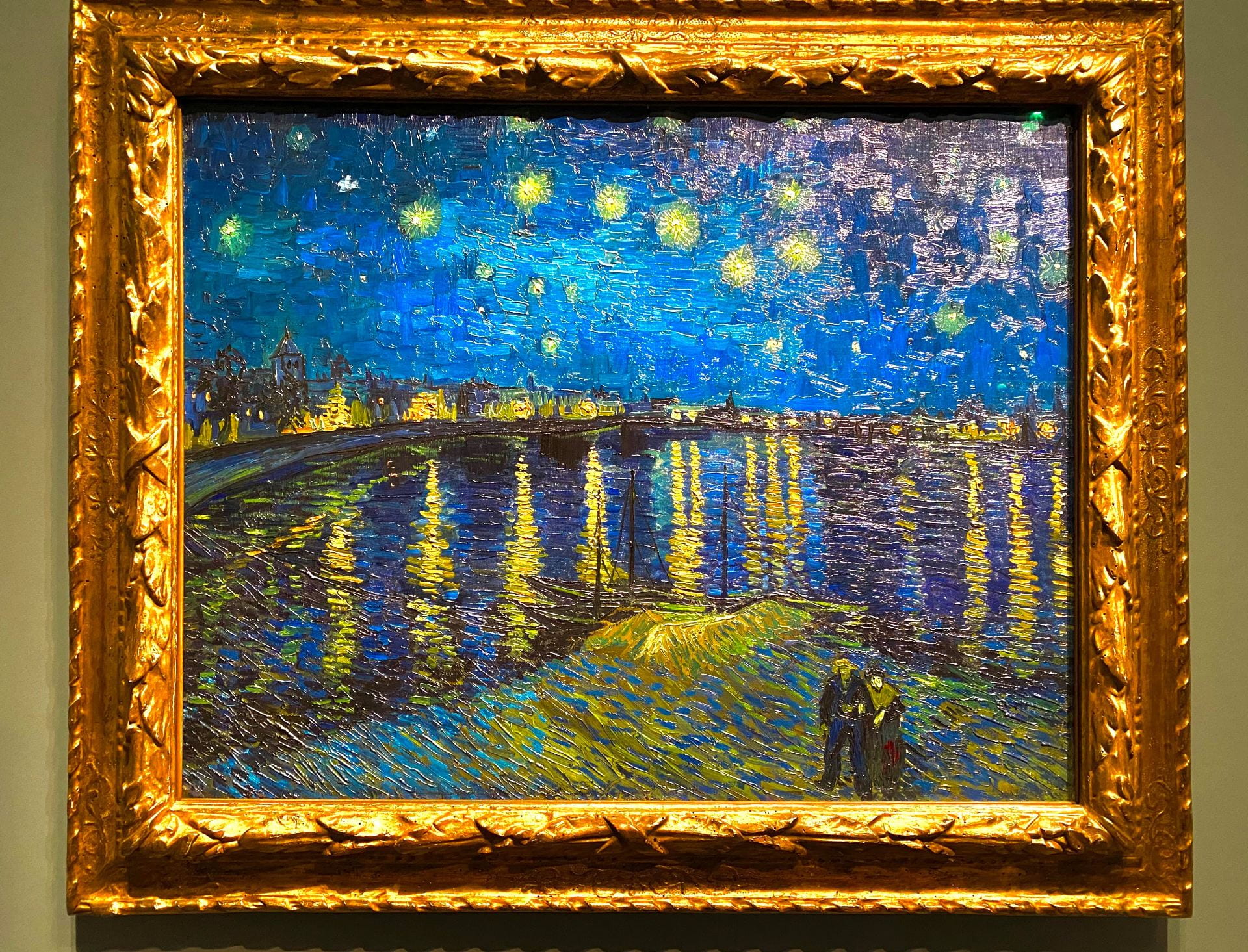
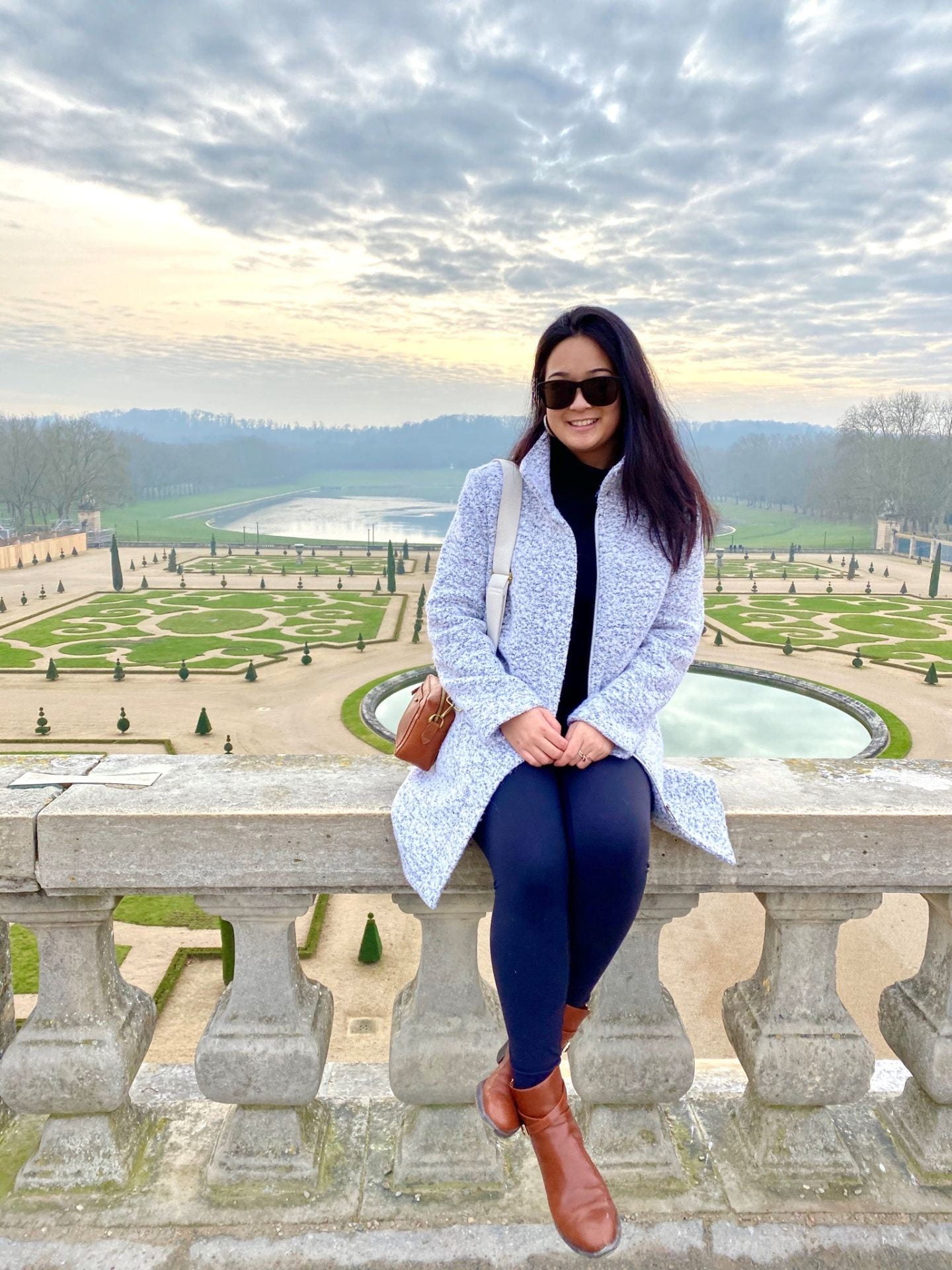
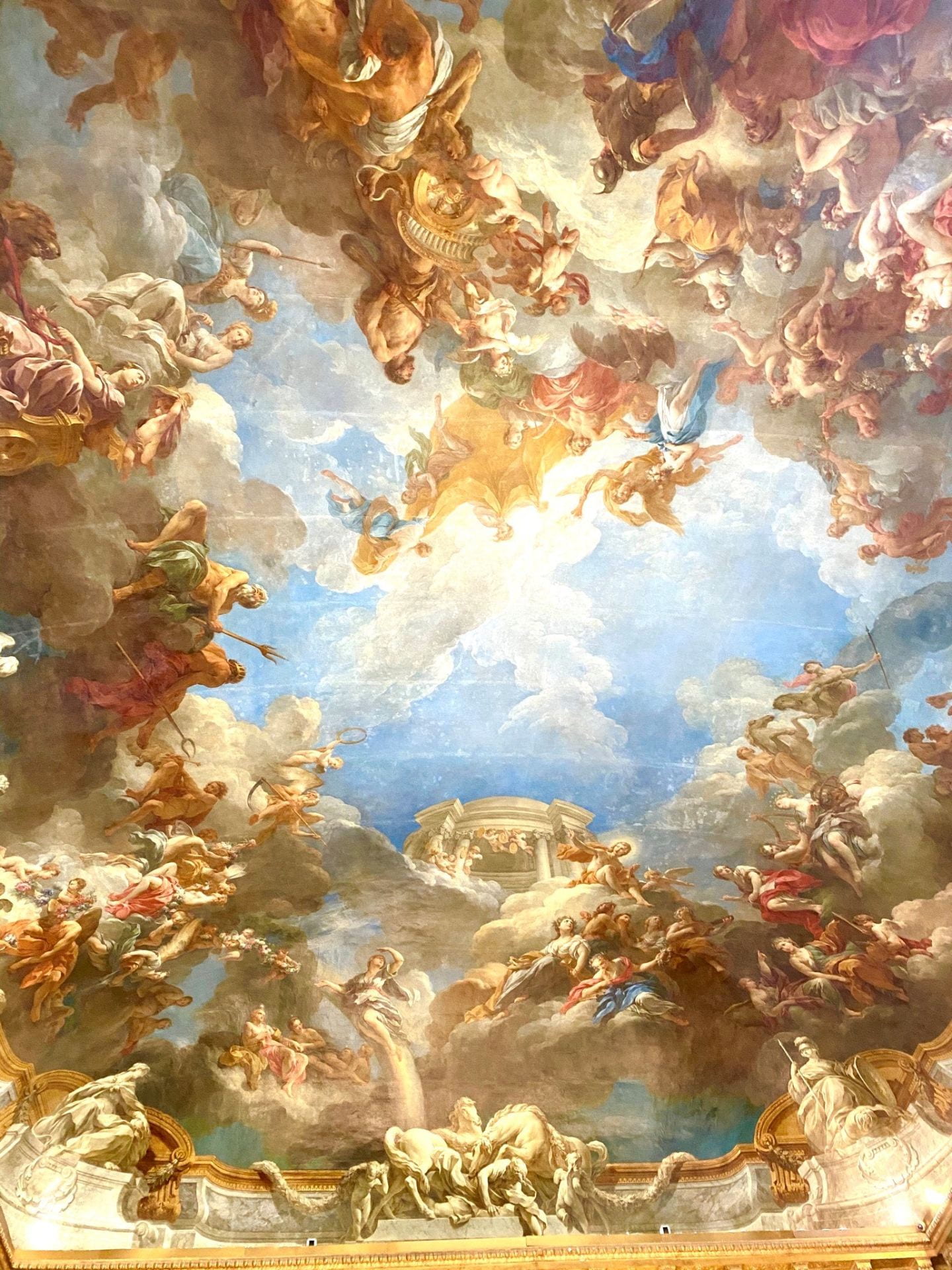
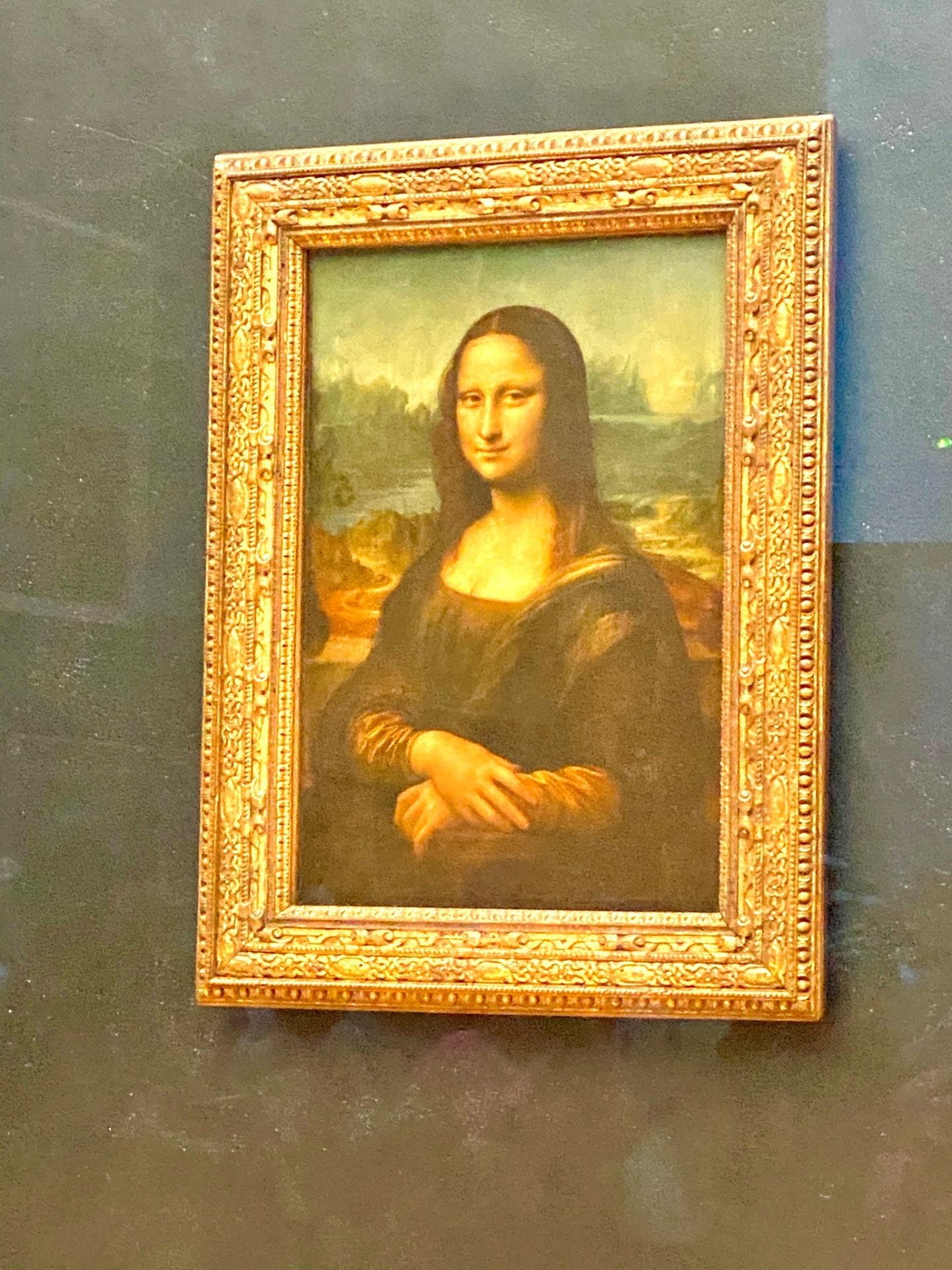
My third week in Paris was rich with art and history as we explored the many museums the city has to offer. On Wednesday, we visited the Louvre and saw the famous Mona Lisa portrait. On Thursday, we got to observe the works of Vincent Van Gogh and Claude Monet in the Musee d’Orsay. On Saturday, we took the train to see the intricate designs in the Palace of Versailles. As a whole, this week taught us that France has a very deep history and culture. The style of French art and architecture has evolved through the years from Romanesque, Gothic, and Renaissance to contemporary and modern art. As future nurses, understanding a country’s historical and cultural roots is essential in the healthcare setting.
Palace of Versailles GardensPalace of Versaille FrescoMona Lisa by Leonardo da VinciThe Starry Night by Vincent Van Gogh
Submitted by Mariapia Scotto Di Carlo on the 2020 winter session study abroad program in Argentina sponsored by the Department of Languages, Literatures & Cultures…
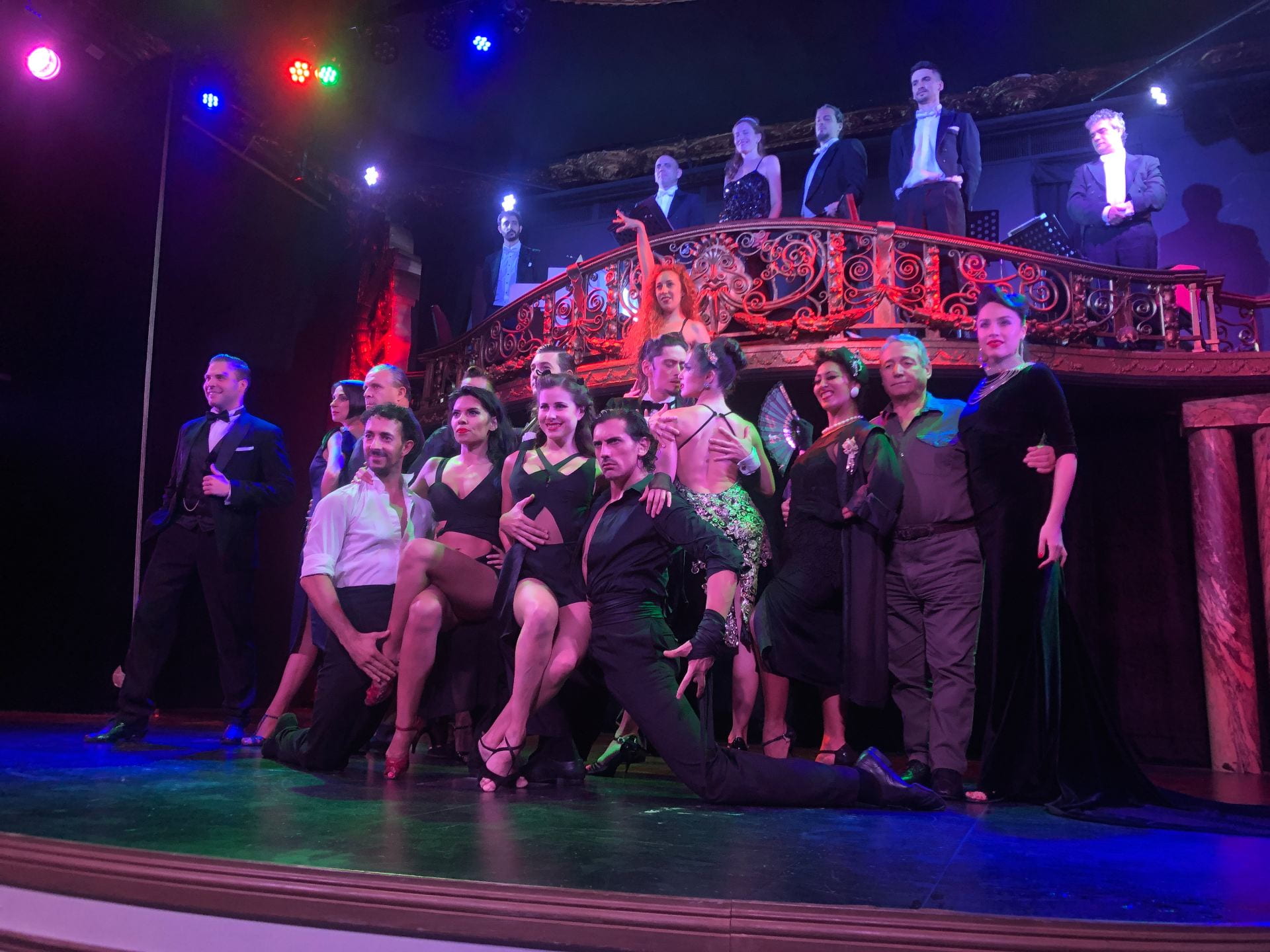
This week, we were able to see an authentic tango show right where it originated, Buenos Aires! I had seen tango in movies and obviously heard of it, but being able to see the show was an incredible experience. The cast opened with a group dance with incredible costumes, energy, and music performed by a live orchestra above the stage. After the first act, pairs took turns sharing the stage performing different forms of tango (some faster, slower, etc.) It was so cool to see different flares added into the dance. There were also some singing acts that took place, one even sang a famous tango song we learned about in class! It was the coolest dinner and show I’ve ever been to. It was incredible being able to apply what we learned in class and have seen in movies to having it right in front of us. I’m so grateful for such an experience! The way the tango dancers moved was so fast and intense, it seemed like it was only one person! Truly an incredible experience!
Group shot of all the tango dancers together at the end of the show – the lights, music, and insane energy from the dancers made it a show to never forget!
Submitted by Caleigh Bauer on the 2020 spring semester study abroad program in Rome, Italy…
When traveling abroad for long periods, problems are bound to arise. I’ve heard plenty of stories about people losing luggage, getting belongings stolen, and missing flights. However, I never thought these things would happen to me during my time abroad. After all, I am a fairly seasoned traveler and I am familiar with the culture here. So you can only imagine how I felt when I realized my phone was missing.
On Wednesday, I decided to take some time to wander alone around Rome since my friends were in classes and I had some free time. I figured I would do some shopping. I window shopped around a few stores and then decided to head to a shop to buy some school supplies. I used maps on my phone to get there, but when I was leaving and about to pull out my phone to map back home, I realized my phone was missing. After searching the store everywhere, I finally gave up and found my way home. I used find my iPhone on a friend’s phone and found out that my phone was turned off and last seen on the other side of Rome- it had definitely been stolen.
While disappointed, I was grateful that I was able to get home safe and still had my wallet and important documents. All in all, things could have been a lot worse. I found that the best thing for me in this situation was to just remain calm and focus on the good things. My advice to any traveler: always (even in small school supply stores) be vigilant. Remember that problems happen and to remain calm.
Not having a phone is definitely not the best situation, but on the bright side, it might be good to be unplugged for a week and really live in the moment. Of course, with a friend with a phone for maps and emergencies.
Submitted by Shenalee Fernando on the 2020 spring semester study abroad program in Australia sponsored by the Alfred Lerner College of Business & Economics…
This weekend was such an awesome weekend. It was the Chinese New Year, the Lunar New Year, the year of the rat. My friends and I went to Chinatown, here in Sydney and it was so amazing to be immersed in the Chinese culture. There were street vendors, carnival games, music and little shops that were set up on the streets. We got to see a performance with dragons and rats. There was also a group of little kids performing in the street. They were very cute! I don’t know what I was expecting, but it was very crowded and very hot. There were so many people. It was nothing like I’ve ever experienced and I’ve been to New York City, Philly and other cities. The food was amazing. I got these noodles with prawn and crab balls. It was by far the best thing I’ve eaten here. We also went to the Chinese Garden of Friendship. It was breathtaking. It was like a little piece of China was actually here in Sydney. There were ponds with koi fish and little waterfalls. It was beautiful! The whole experience was so unique. I’ve never been to a lunar new year festival, so it was nice to be here and be a part of it.